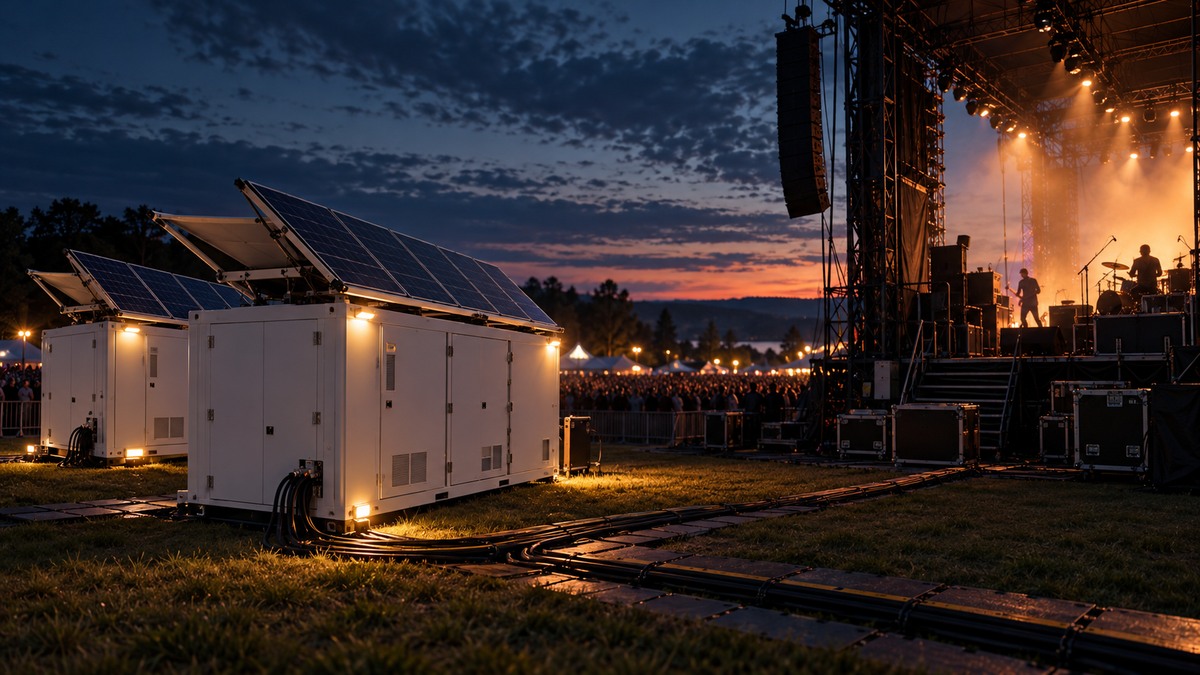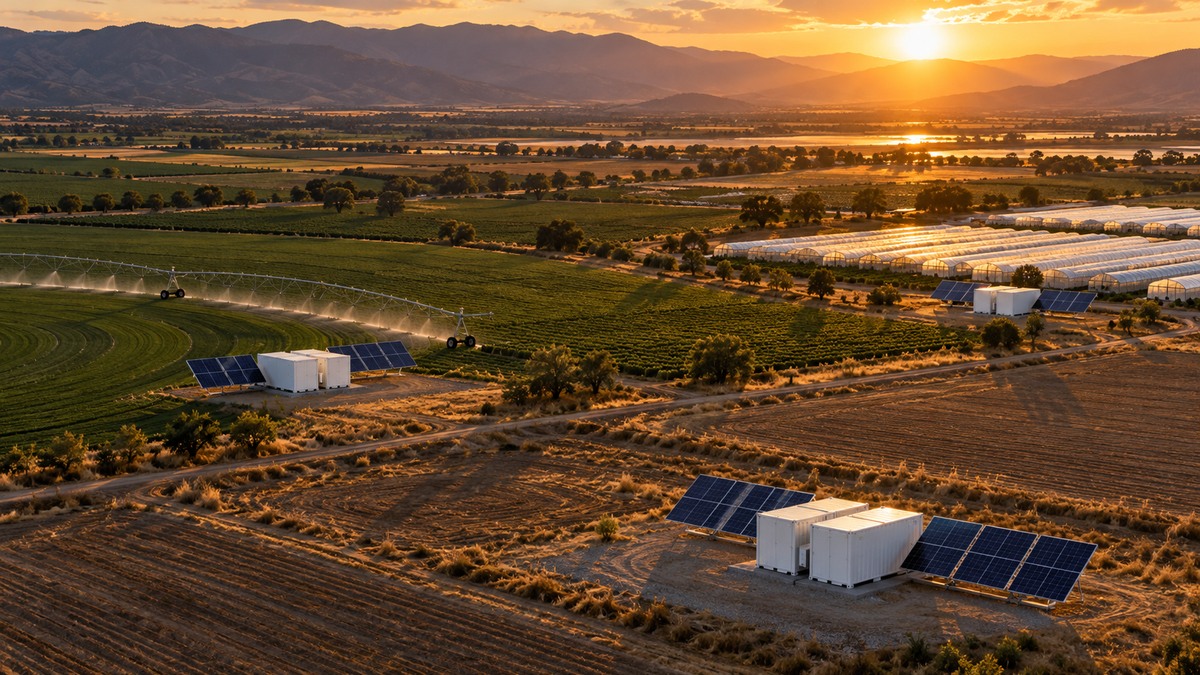
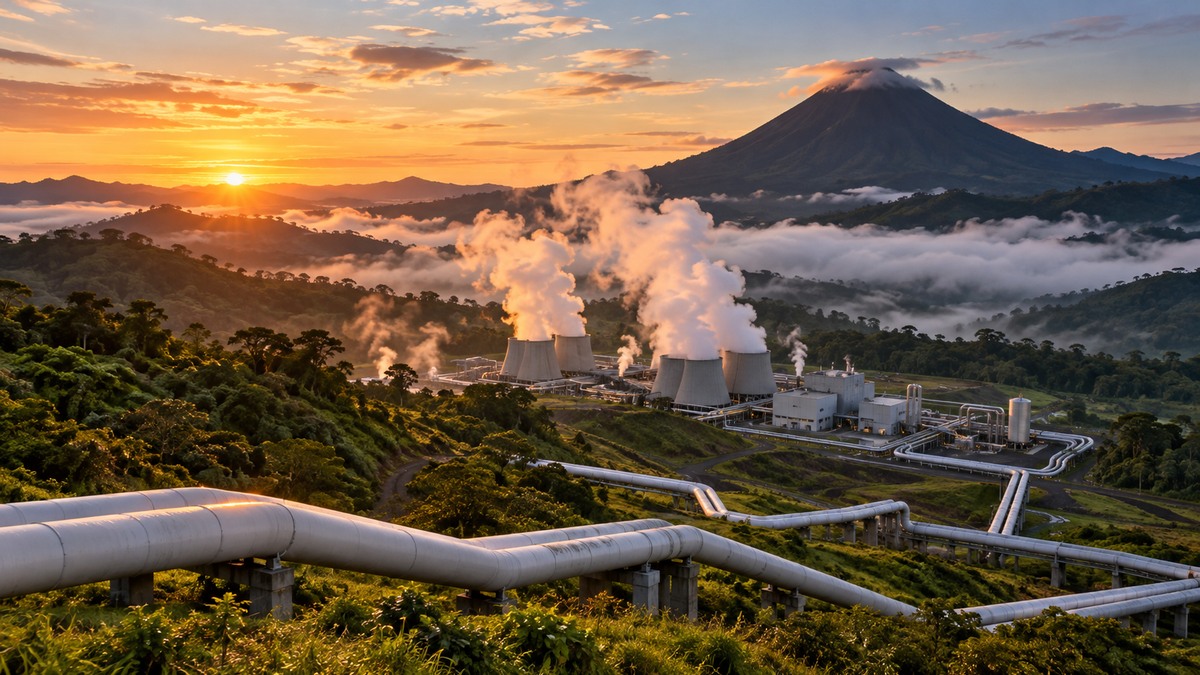
Solar gets the headlines, and it earns them: nothing else adds clean capacity as fast or as cheaply. But every grid planner eventually meets the question solar cannot answer — what runs the grid at 2 a.m., in the rainy season, during the week the wind dies? For most of the world, the honest answer is still fossil fuel. For Central and South America, there is a better one, and it has been underfoot the whole time. The Pacific Ring of Fire runs directly through the region, and with it some of the world’s best high-enthalpy geothermal sites — heat that generates electricity around the clock, in any weather, with zero fuel cost.
What baseload actually means — and why geothermal is the renewable that delivers it
Baseload is the generation a grid can count on every hour of every day. Solar is a daytime resource; wind is a weather resource; hydro follows the rains. Geothermal alone among the mainstream renewables runs continuously regardless of conditions, because its fuel is the heat of the earth itself. That makes it the natural backbone of a renewable-heavy grid: the steady floor beneath solar’s variable peaks. It is the same role diesel and gas play on most Latin American grids today — except the fuel is free, domestic, and permanent.
The economics: cheap to run, expensive to start
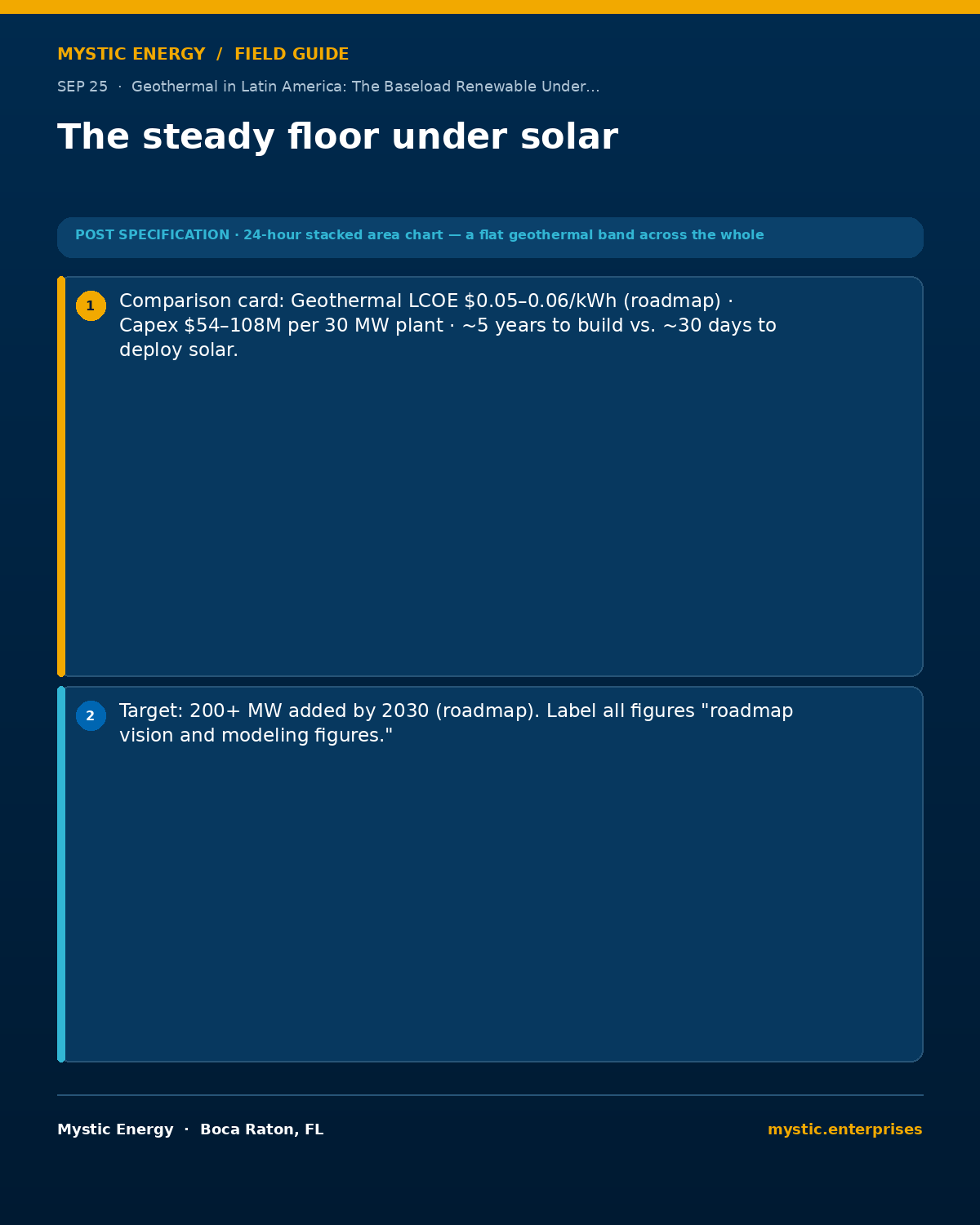
The roadmap figures Mystic works from — the Becoming a Green Energy Superpower by 2035 vision paper — put geothermal’s levelized cost of energy at roughly $0.05–0.06 per kWh, which the paper frames as a 25–38% saving versus solar for baseload duty. Treat these as vision and modeling figures from the roadmap, not quoted prices; actual project costs are set by site, drilling results, and financing. But the shape of the economics is well established: once a geothermal plant is running, its marginal cost is extraordinarily low, because there is no fuel to buy.
The hard part is the front end. The same roadmap is candid about it: upfront capital on the order of $54–108 million per 30 MW plant, and development timelines around five years — against roughly 30 days to deploy a comparable solar installation. Exploration and drilling carry real risk, and the payoff arrives on a horizon measured in decades. That asymmetry, not the resource, is why the region’s geothermal potential remains underbuilt.
Why the model is partnership, not procurement
Capital of that size and patience is what multilateral institutions exist to provide. The World Bank and its peers have demonstrated sustained confidence in the region’s geothermal potential through their own project pipelines, and the roadmap’s recommendation follows directly: pair developers like Mystic with multilateral funders to carry the exploration and construction phases, targeting 200+ MW of added geothermal capacity by 2030, focused on the region’s high-enthalpy sites. The roadmap’s broader financing picture — including a $500 million multilateral funding target by 2030 — treats geothermal as the anchor asset those institutions are best suited to back. Local job creation and technology transfer clauses ride along, as they do across the roadmap’s partnership model. These are targets and proposed structures, not signed commitments — the useful reading is the sequencing they imply.
The sequencing: solar now, geothermal in parallel
The 30-days-versus-five-years contrast is not an argument against geothermal — it is the argument for starting geothermal now. In the roadmap’s 2035 mix, solar carries about 30% of generation and geothermal about 25%, with wind, wave, and other renewables completing an 80%+ renewable grid. Those shares are vision targets, but the logic is durable: solar delivers immediate cost relief while geothermal’s five-year projects mature, and by the time solar saturates the daytime curve, the baseload backbone is coming online beneath it. A nation that starts both today gets the fast win and the permanent one. A nation that starts only solar meets the 2 a.m. question again in five years, with nothing drilled. Our energy glossary covers baseload, LCOE, high-enthalpy resources, and the rest of the vocabulary.
Frequently asked questions
Is geothermal proven technology?
Yes — geothermal is among the oldest commercial renewables, with decades of operating plants worldwide and active World Bank-backed development in the region. What is new is the push to scale it as the baseload anchor of majority-renewable grids.
Why build geothermal if solar is so much cheaper to deploy?
They answer different questions. Solar is the fastest way to cut daytime energy costs; geothermal is the renewable that runs all night and all season. The roadmap’s mix uses both — solar for speed and volume, geothermal for the steady floor.
How long does a geothermal plant take to build?
The roadmap works from timelines around five years per plant, including exploration and drilling — which is precisely why it recommends launching partnerships now rather than after solar buildout is complete.
What makes a site “high-enthalpy,” and why does it matter?
High-enthalpy sites carry hotter geothermal fluids, which convert to electricity far more efficiently — and the volcanic corridors of the Ring of Fire give the region an unusual concentration of them. Site quality is the single biggest driver of geothermal economics.
Anchor your grid to something permanent
If your nation, utility, or project portfolio is planning a renewable transition that has to survive the night shift, geothermal belongs in the plan from day one. Explore the Mystic Energy platform or contact our team to discuss baseload strategy and partnership structures. Mystic Energy — Boca Raton, FL · +1 (762) 316-5592.