Strategic Engagement • Commonwealth of The Bahamas • May 2026
Closing the 44-point gap: a phased BESS program for the Family Islands
Universal electricity access by 2030, delivered through deployable Battery Energy Storage — at one-third to one-fifth the cost of diesel.
Mission 300: the mandate
The Commonwealth of The Bahamas has set a clear national objective: universal access to reliable, affordable electricity by 2030, aligned with the country’s energy transition goals and CARICOM energy targets.
The headline electrification rate is 93%. Nassau and Freeport sit at 99%. The Family Islands — Exuma, Long Island, Andros, Eleuthera, Acklins, Crooked Island, and the remote cays — sit at 55%.
That 44-point gap is the addressable challenge. Centralized grid infrastructure can serve the main population centres, but it will not reach the remote cays. Closing the island gap is what universal access by 2030 requires.
| 93% | 99% | 55% |
| National electrification | Nassau & Freeport | Family Islands & remote cays |
Why distributed BESS, not grid extension
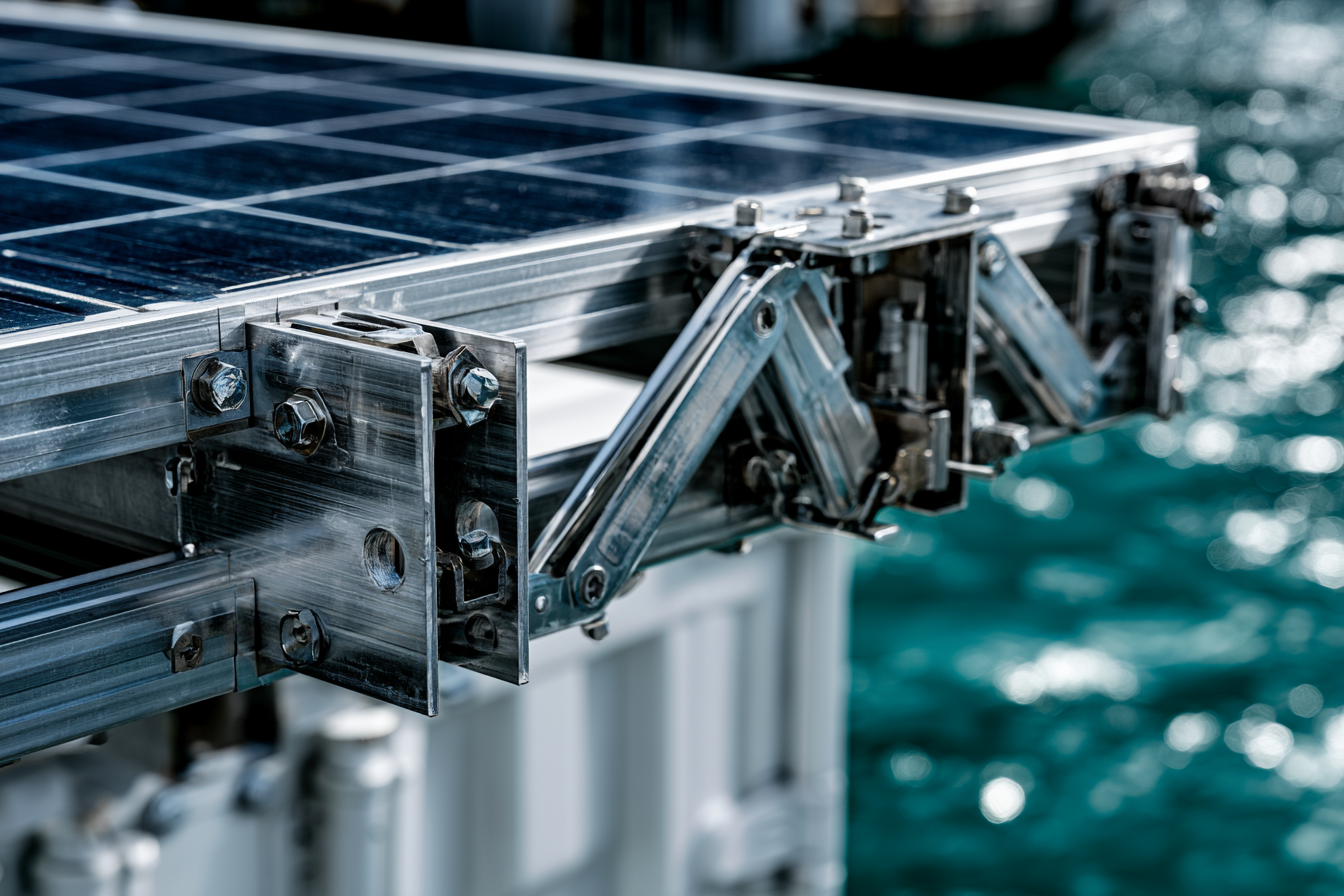
Solar generation alone cannot electrify a remote island community. A solar array produces during daylight; a Family Island community needs power 24 hours per day — for refrigeration, for safety lighting, for medical cold chain, for productive use.
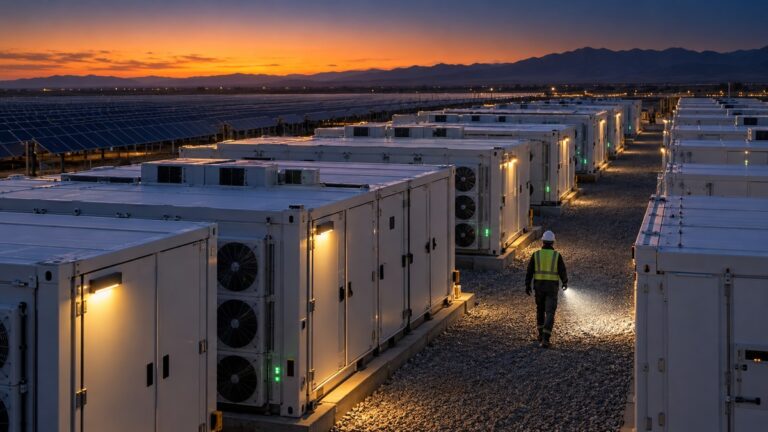
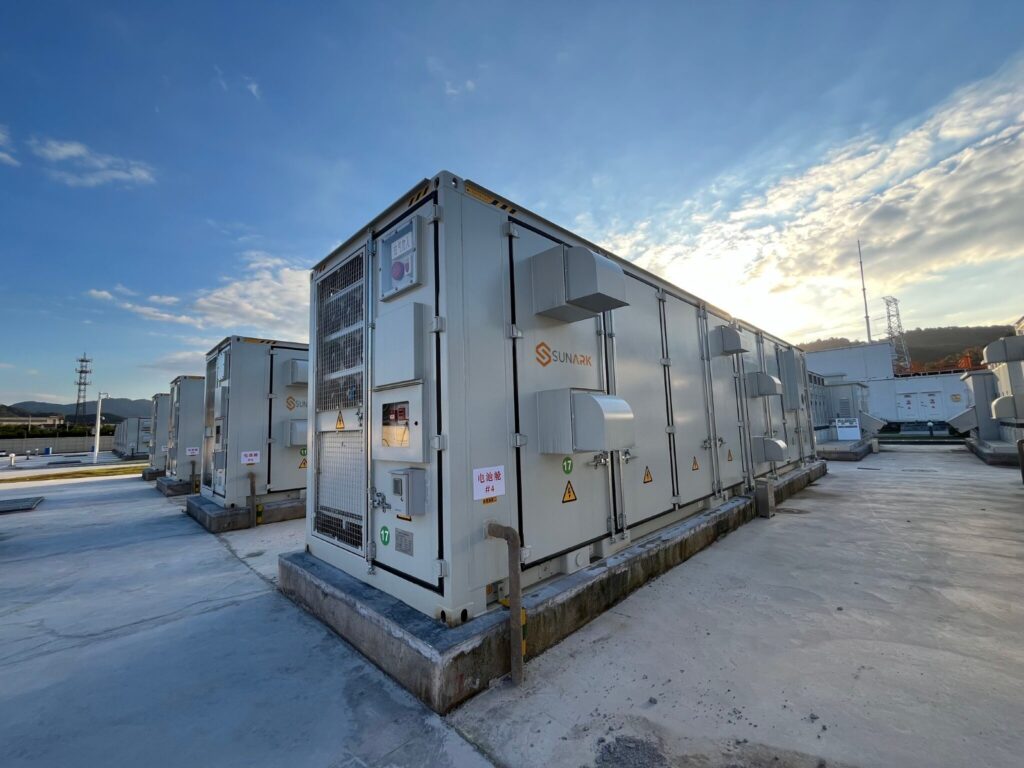
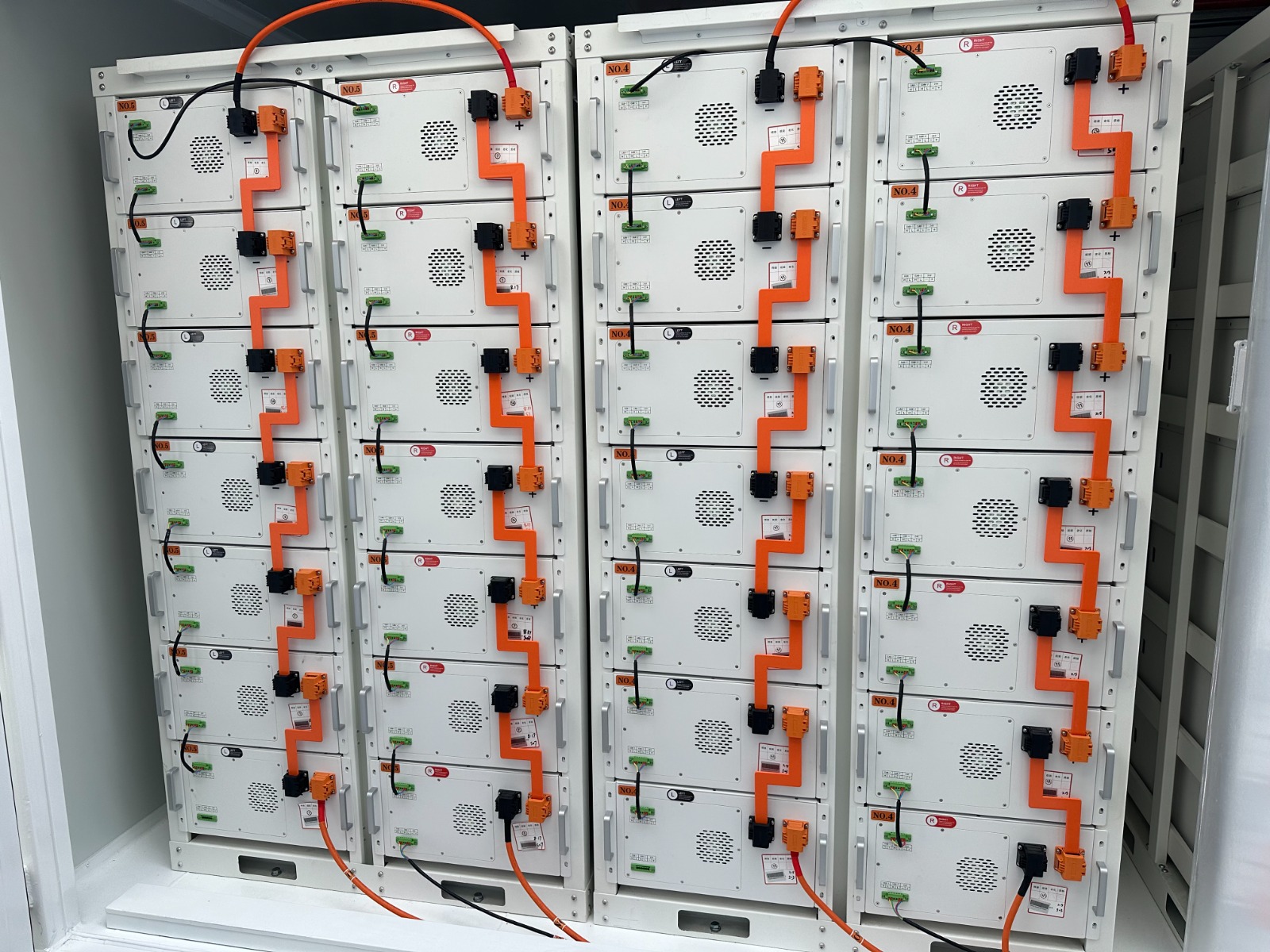
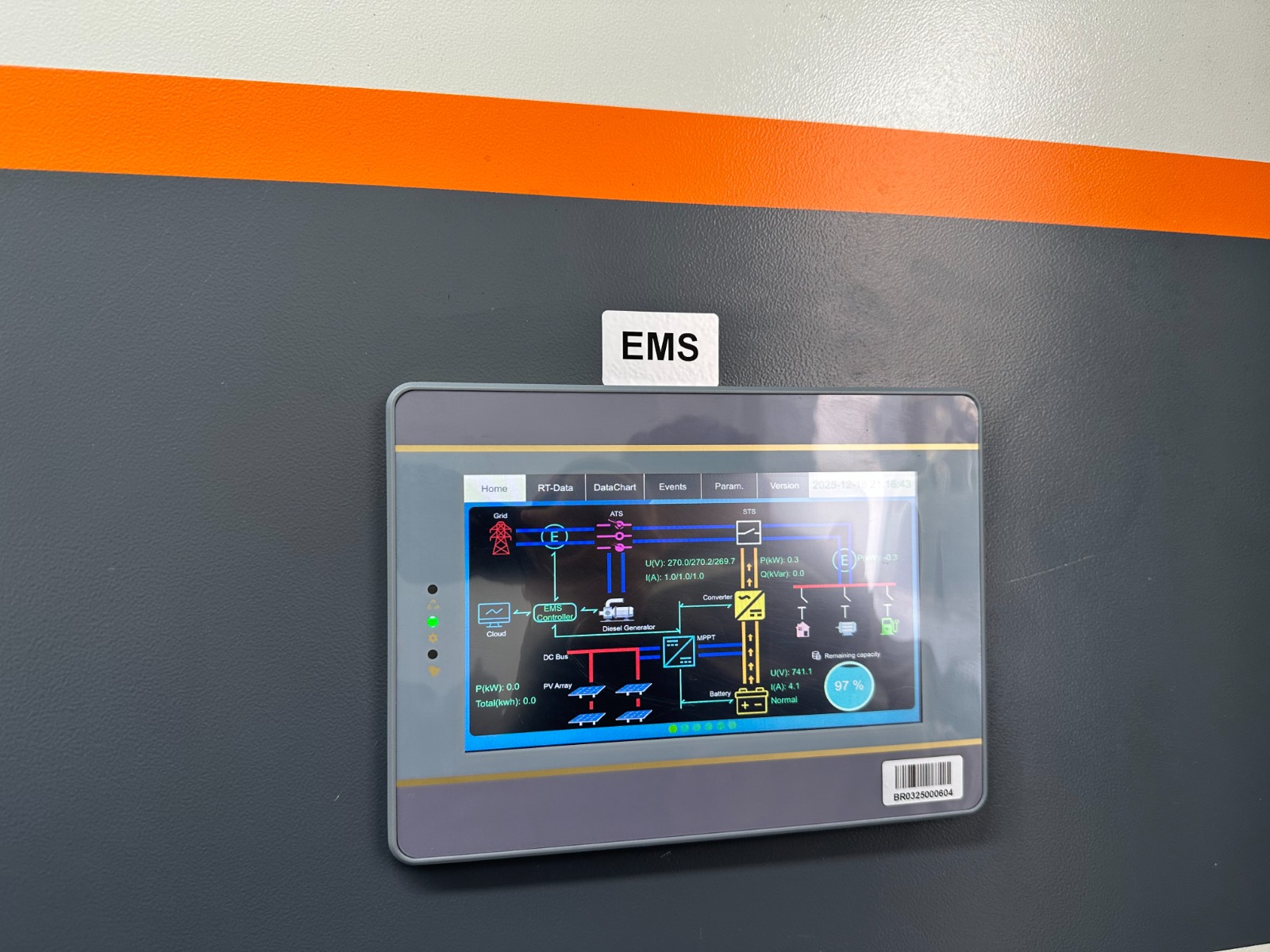
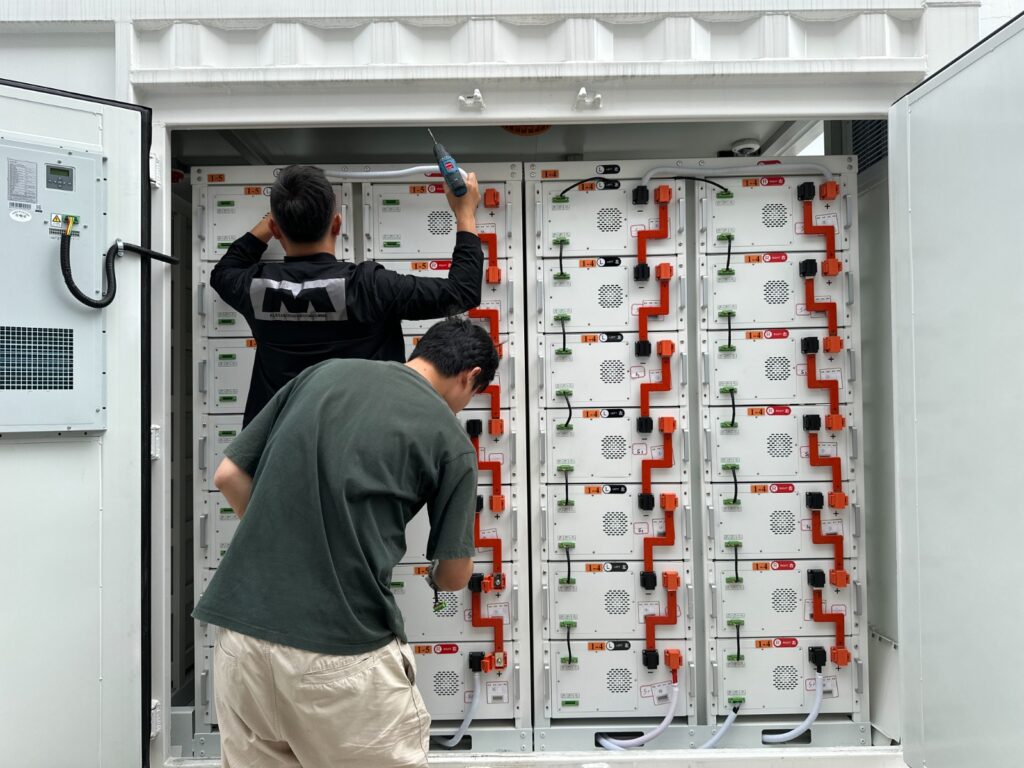
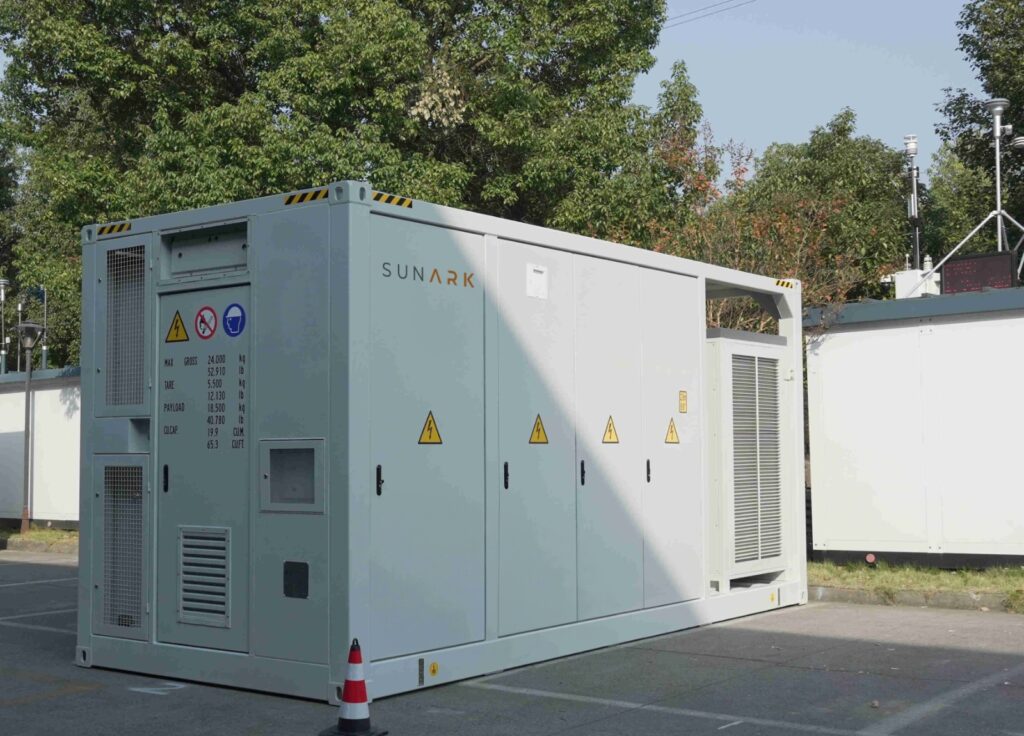
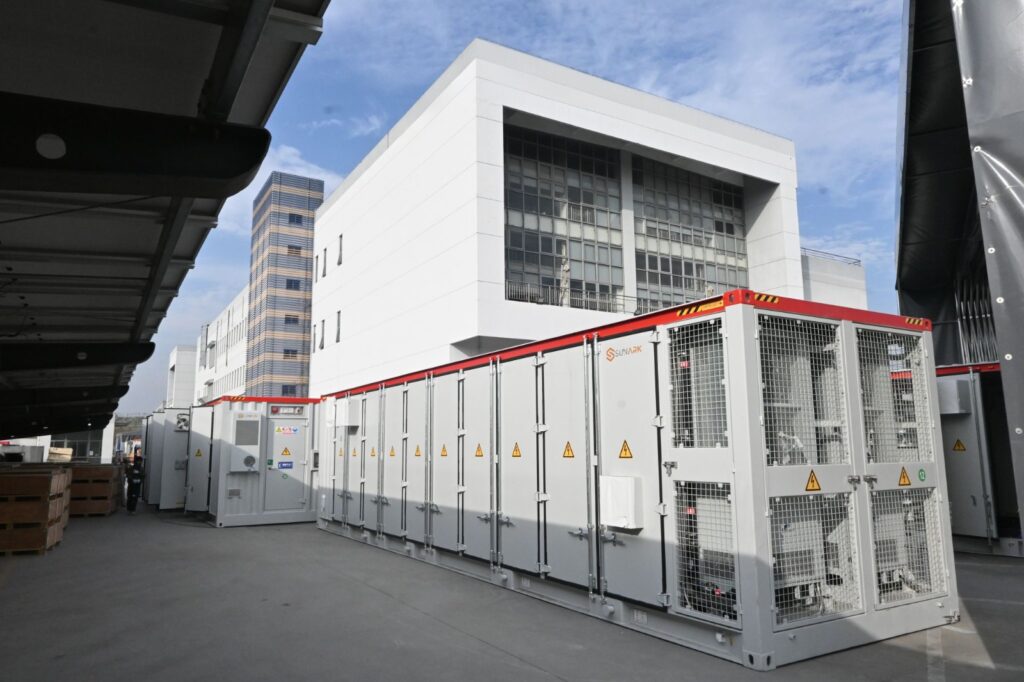
Battery Energy Storage Systems (BESS) close that gap. Mystic Energy’s platform is built on:
- LFP chemistry lithium iron phosphate, cobalt-free, thermally stable, suited to tropical-island and hurricane-resilient environments
- Sub-50ms response frequency and voltage support meeting CARICOM and IDB technical standards
- 15-year design life publishable degradation curves accepted by multilateral and development finance funders
- Structural economics one-third to one-fifth the cost of remote diesel generation
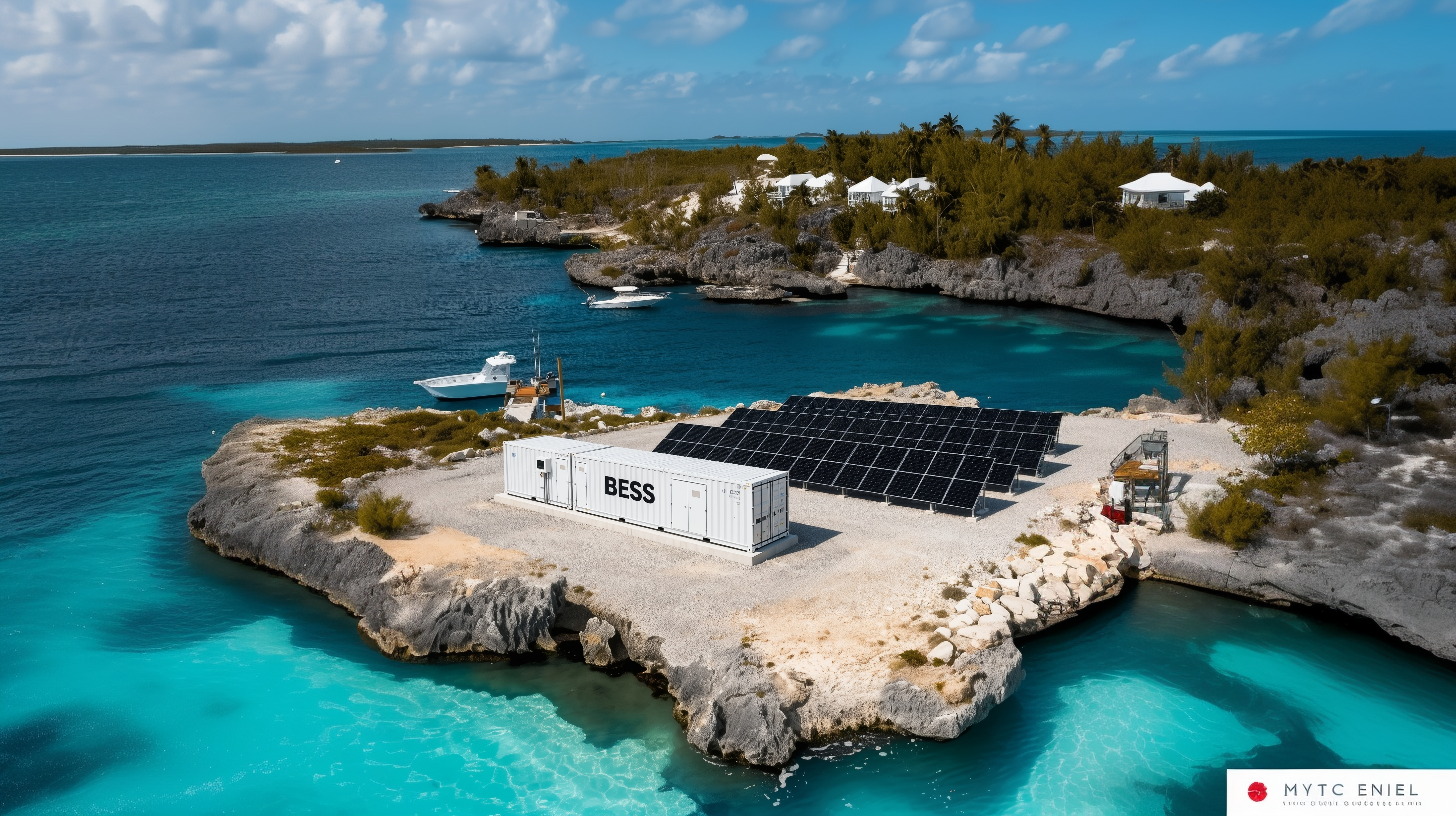
Battery storage turns solar into a 24/7 solution — operationally viable at the Family Island community scale.
Visible, citizen-level results
Distributed BESS delivers what other energy infrastructure cannot: visible, immediate, citizen-level results that align directly with the Bahamian national energy transition mandate.
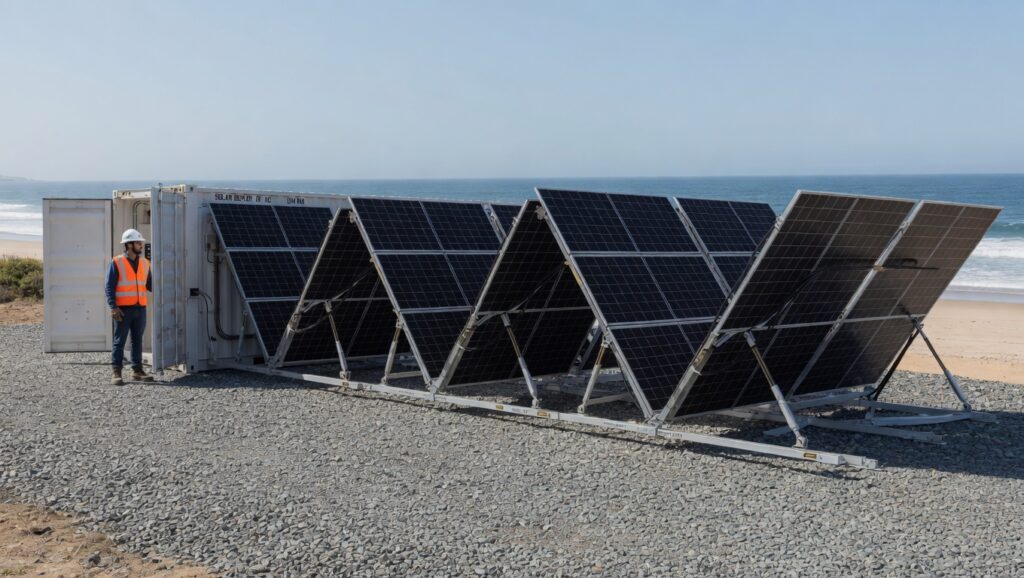
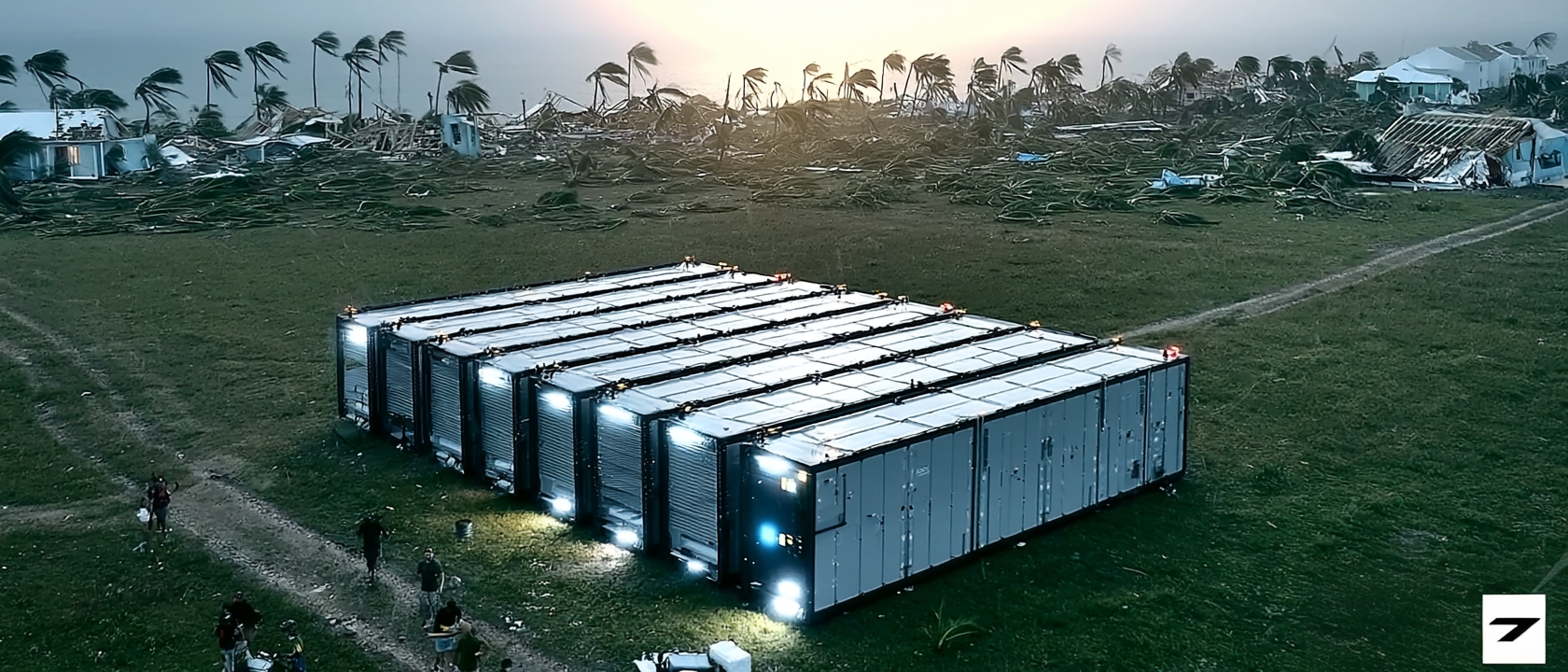
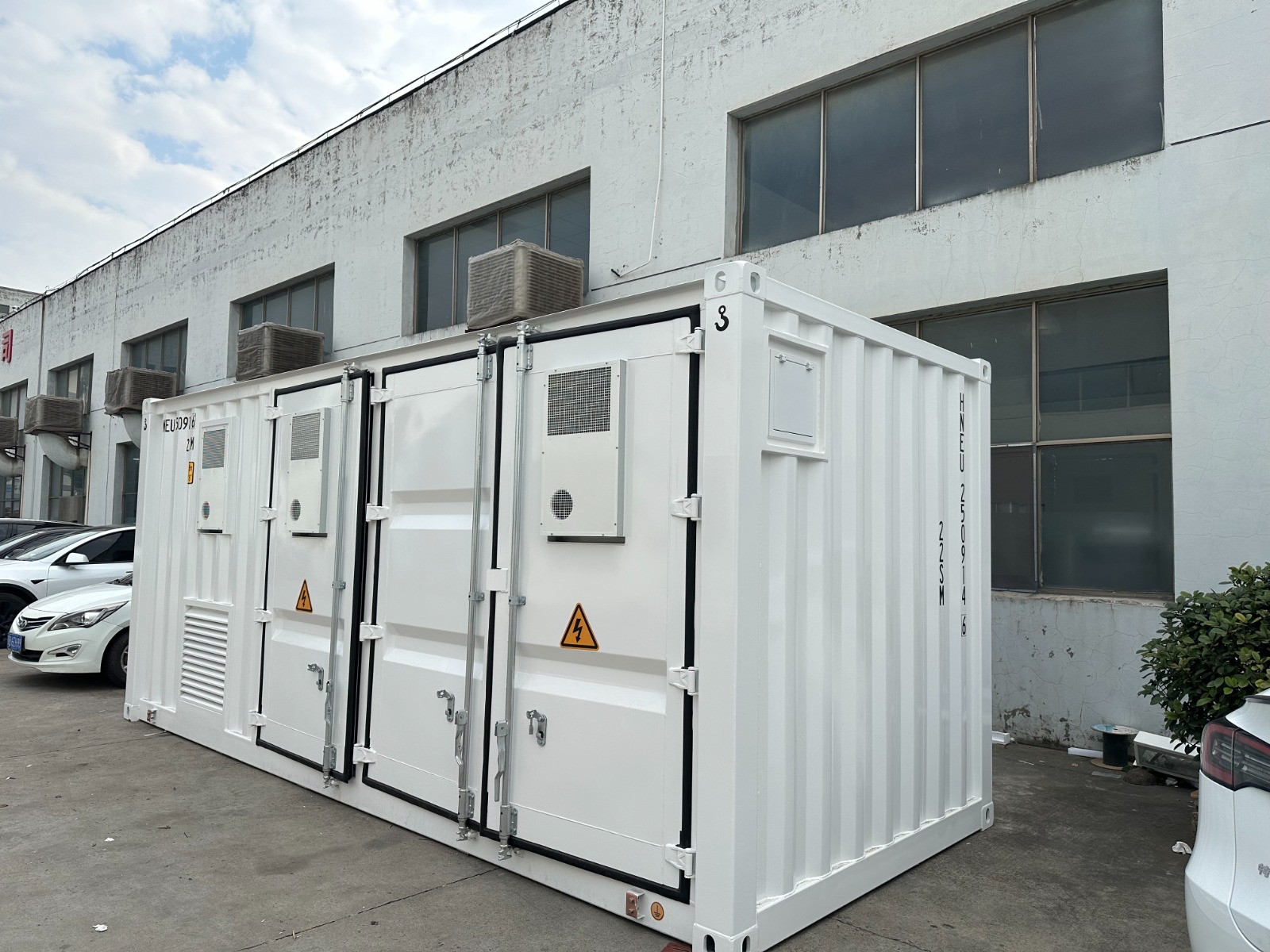
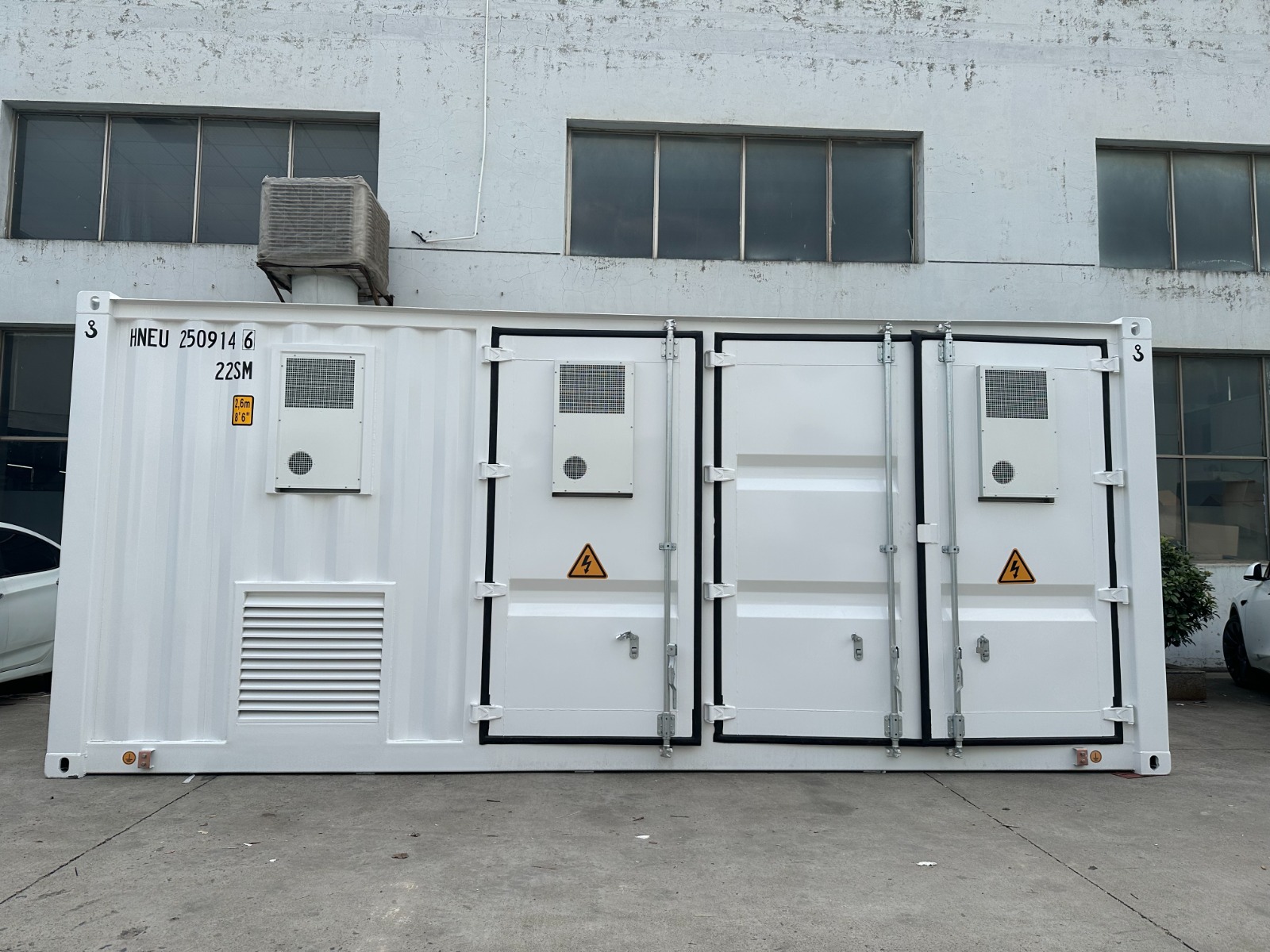
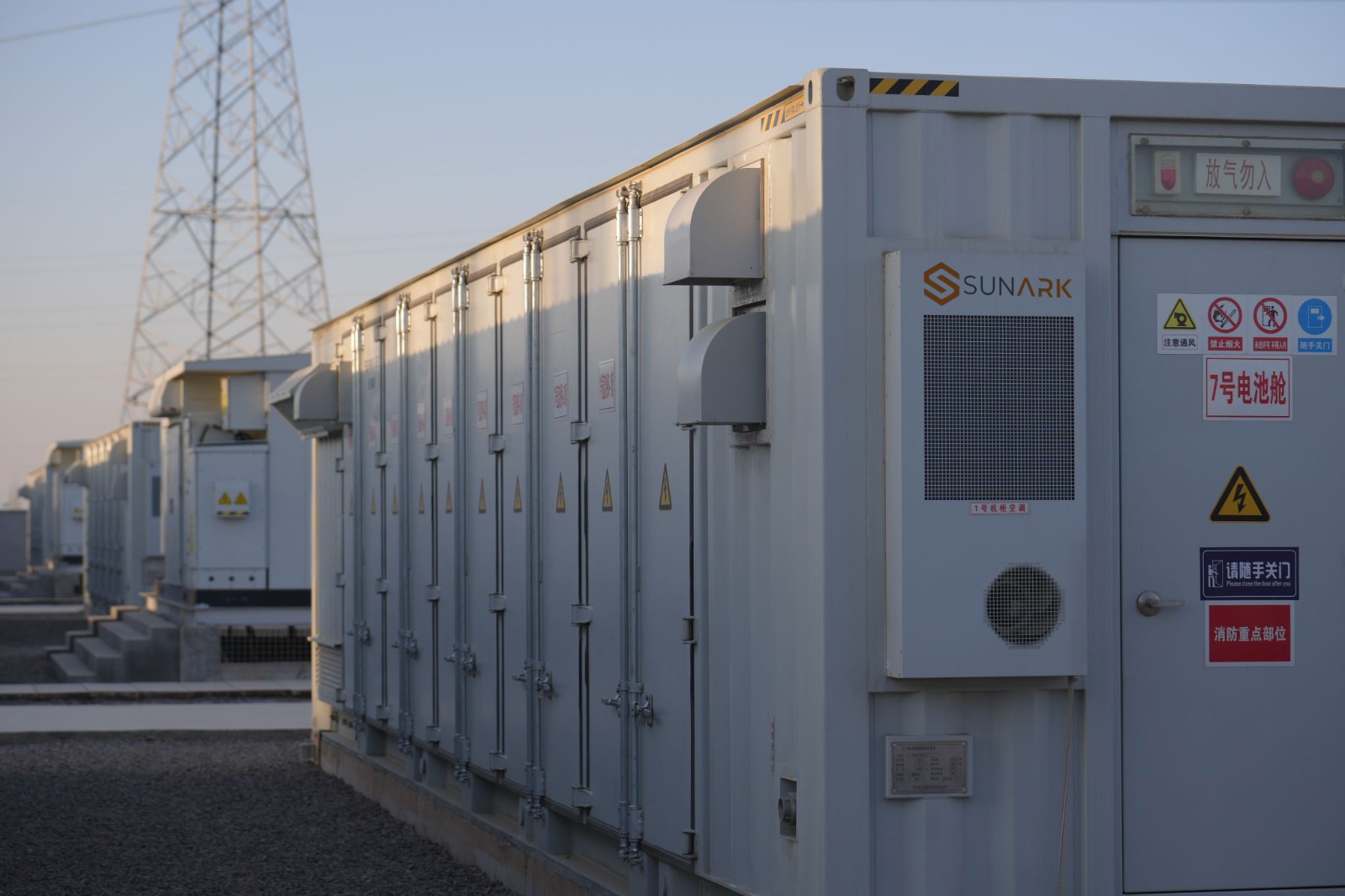
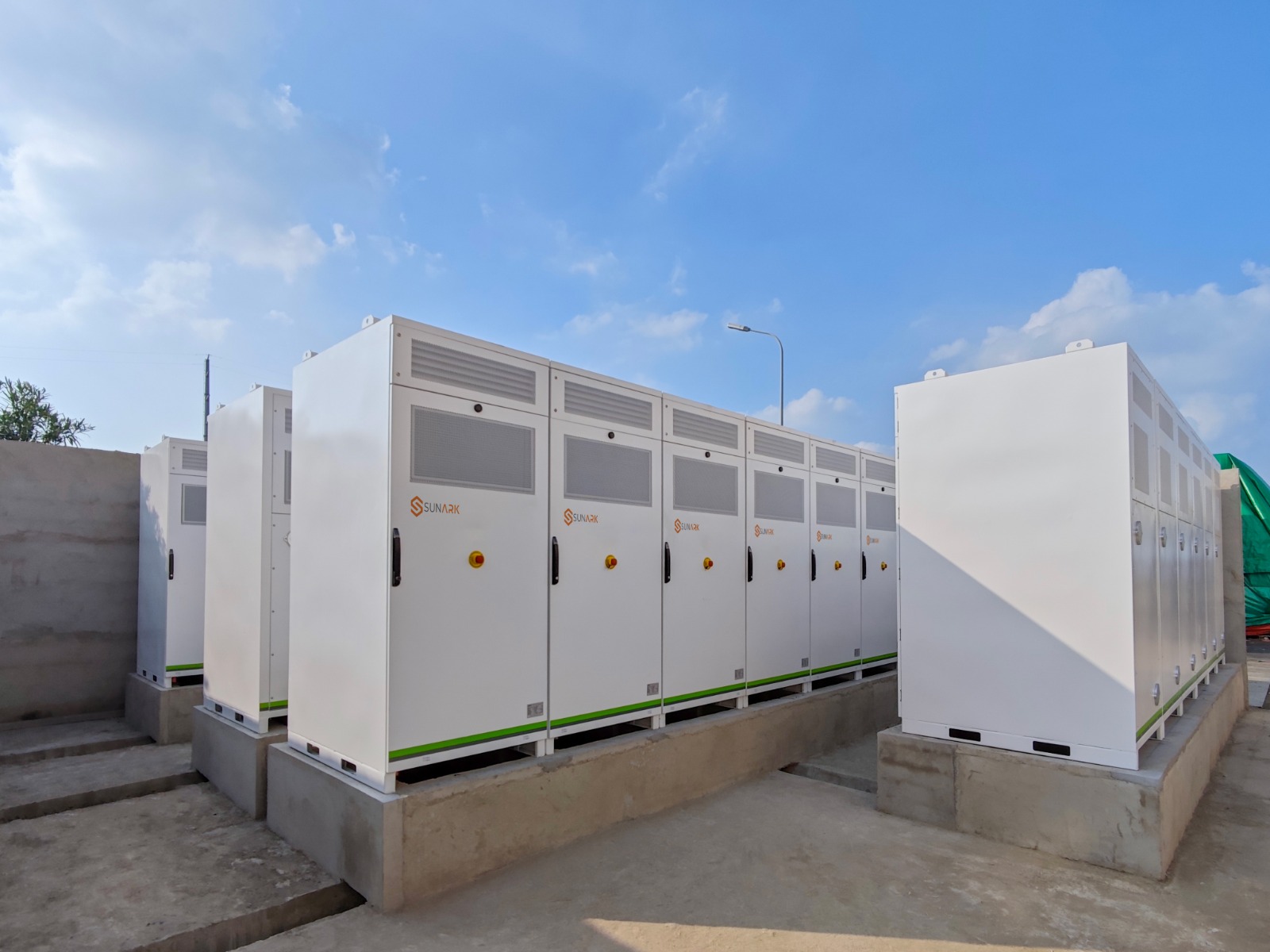
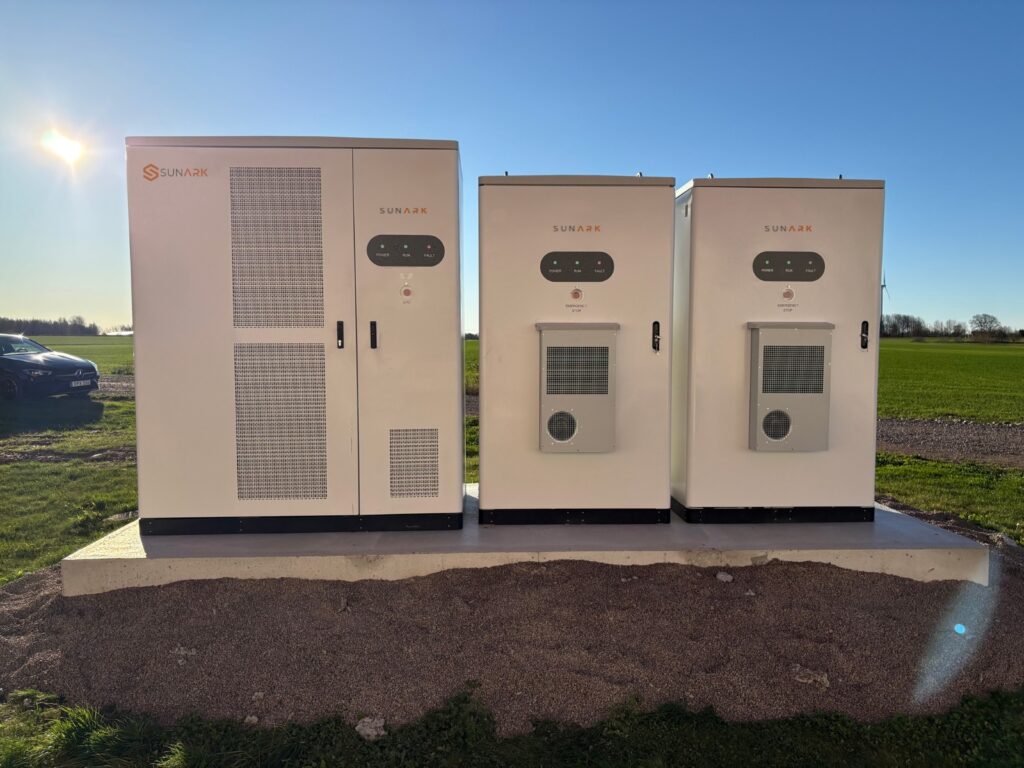
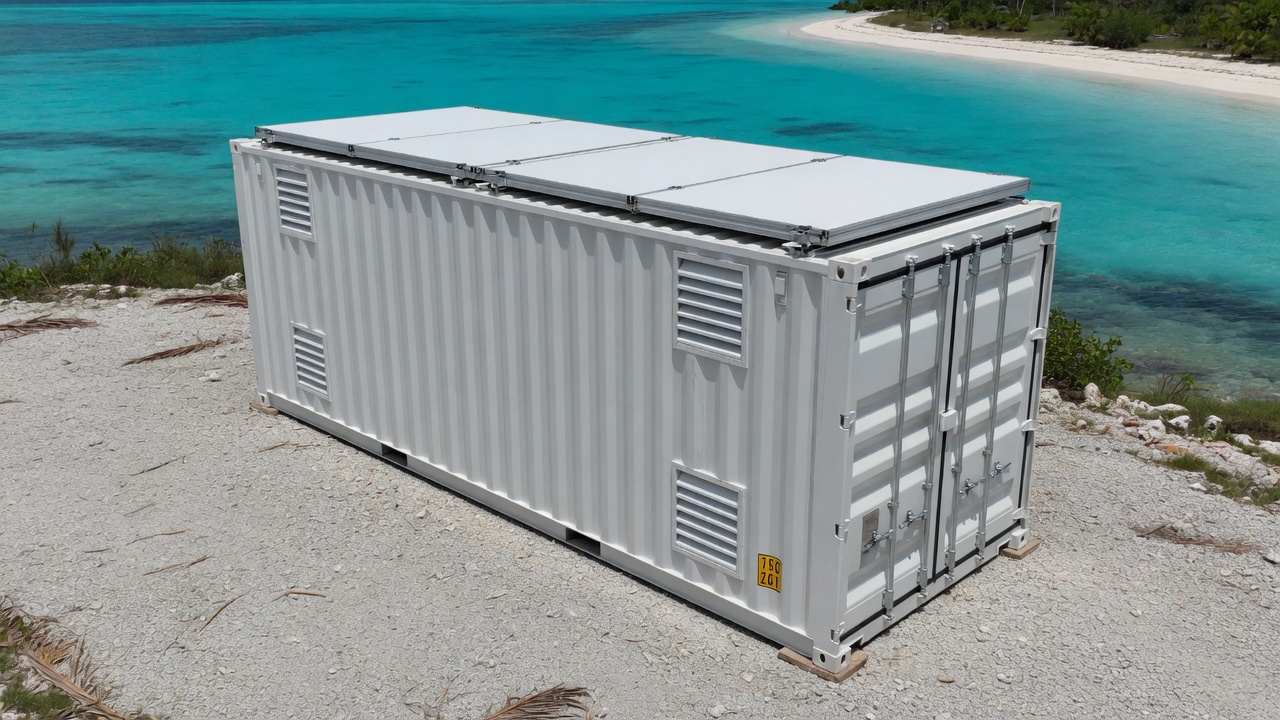
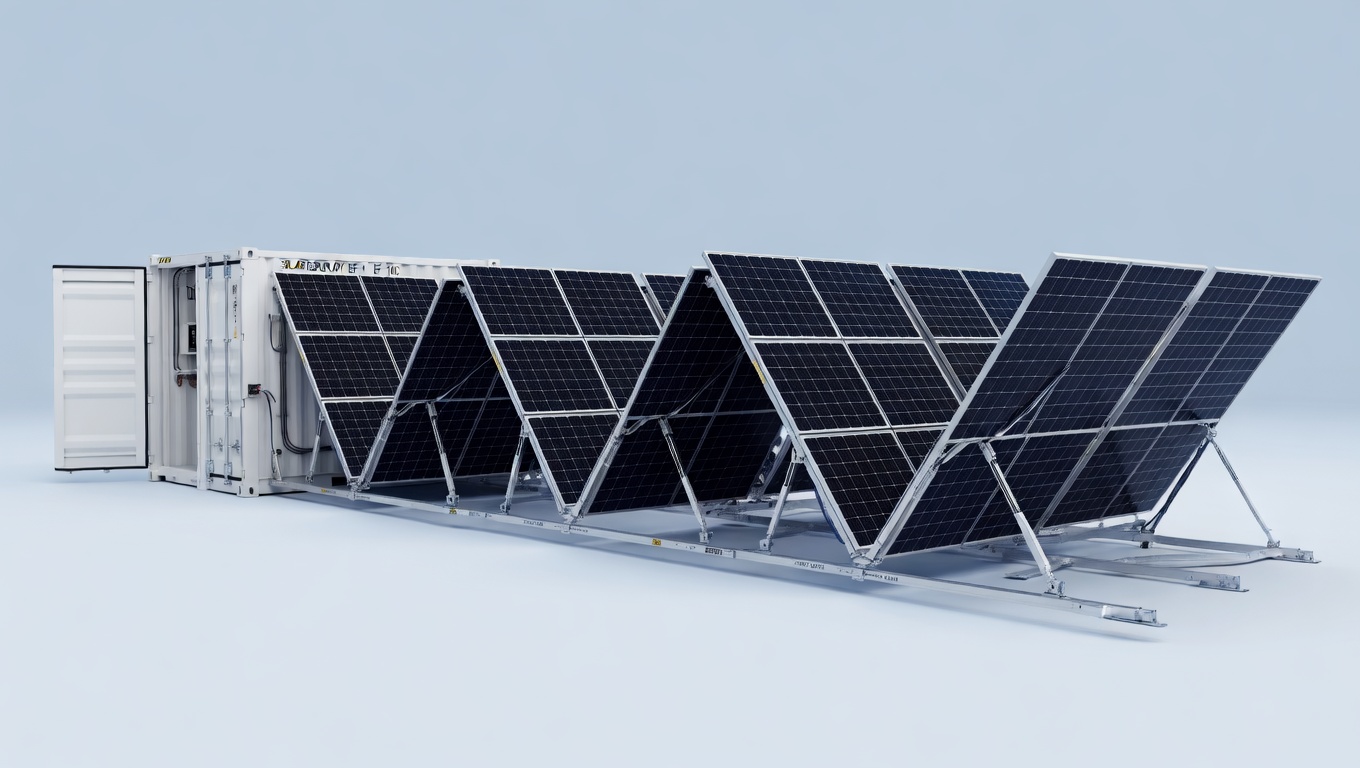
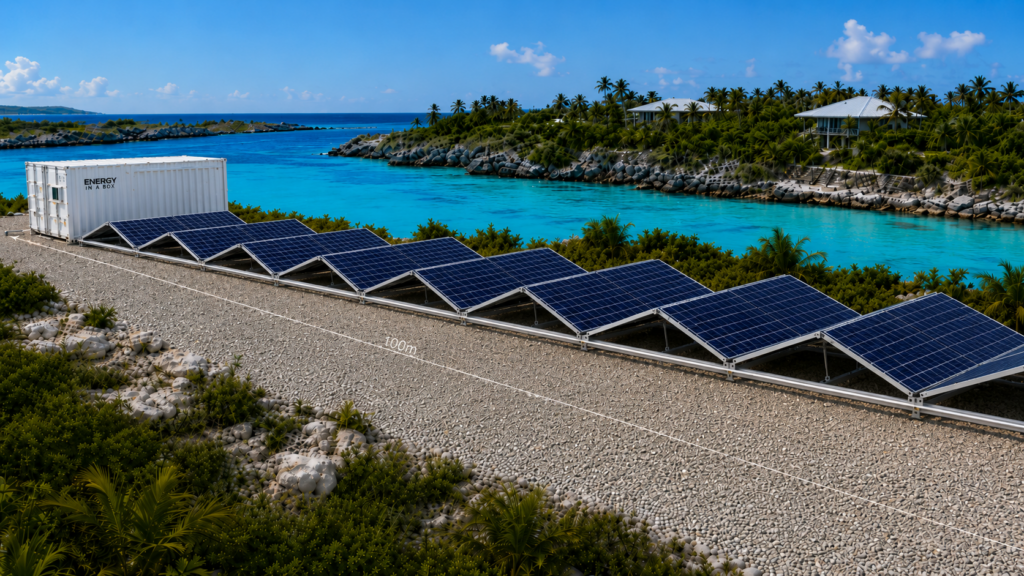
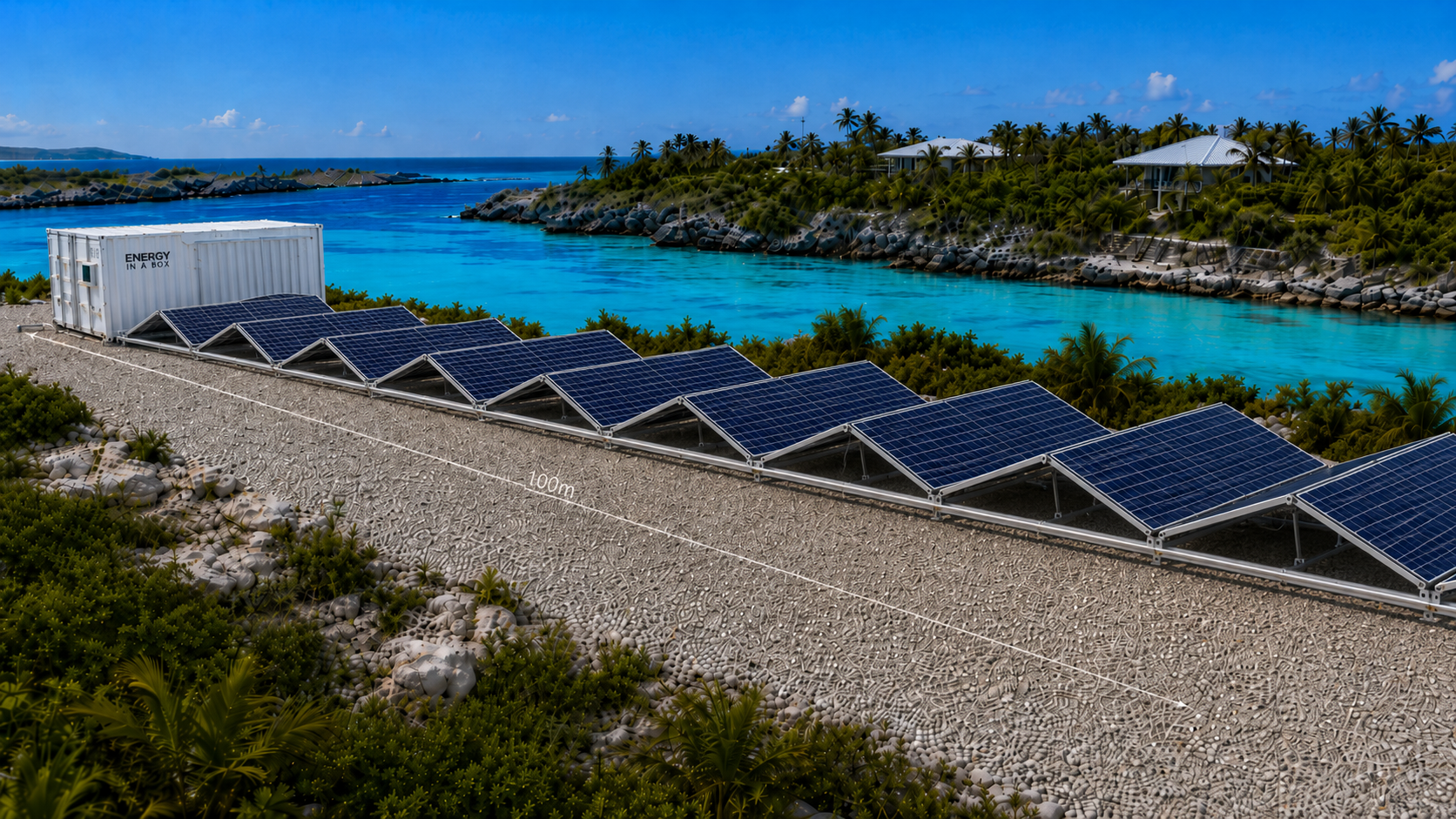
Speed. A deployable Hybrid Power Node arrives on site and delivers live power within 24 hours of positioning. An island deployment phase is operational within months, not years.
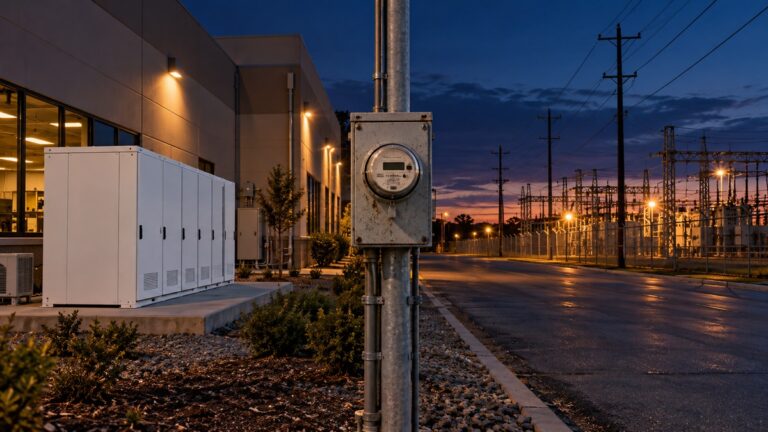
Visibility. Unlike a transmission line or a generation plant, a deployed BESS node is present in the Family Island community itself. Citizens see infrastructure delivered to their community.
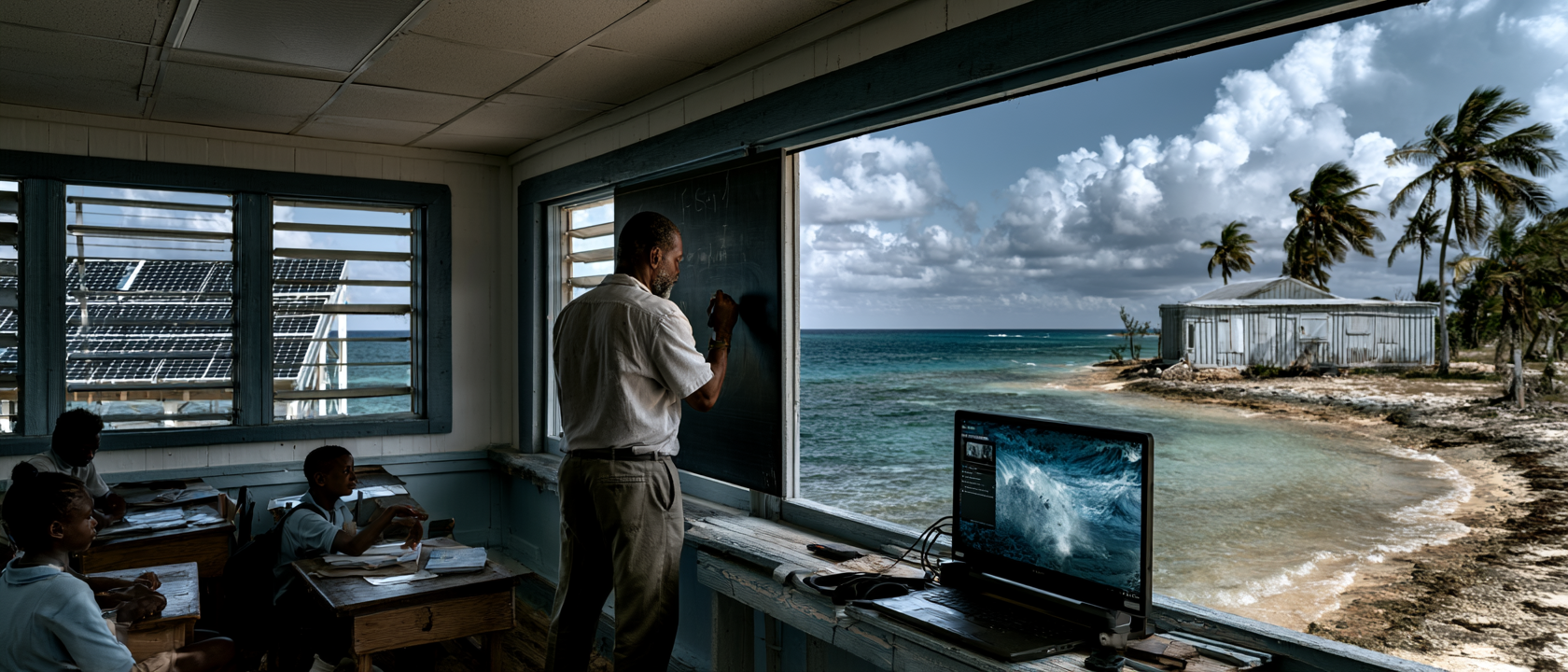
Tangible benefits. Lighting in the school. Refrigeration in the clinic. The water pump no longer dependent on diesel. Productive use for the cooperative. These are outcomes a citizen can point to.
Government milestones. Each deployment is a community event — a moment of citizen access to electricity delivered under the Government’s mandate. Phase 1 island-site inaugurations become a recurring program of visible Bahamian leadership.
Regional positioning. The Bahamas can lead the CARICOM conversation on island energy transition. The first nation to deliver a deployed distributed BESS program at scale establishes a leadership position and a reference model for other Caribbean island nations.
Three-phase deployment strategy
Phase 1 — Family Island Electrification Replacing diesel generators across the Family Islands. Each Hybrid Power Node serves 30–50 households plus a clinic, school, and productive-use loads. Power Purchase Agreement with Bahamas Power and Light (BPL), with government backing for tariff stabilization.
Phase 2 — Resort & Industrial Off-Grid Private resort communities, marinas, and commercial operations on remote cays. Direct PPAs with corporate off-takers. The strongest near-term revenue and the fastest project paybacks in the program.
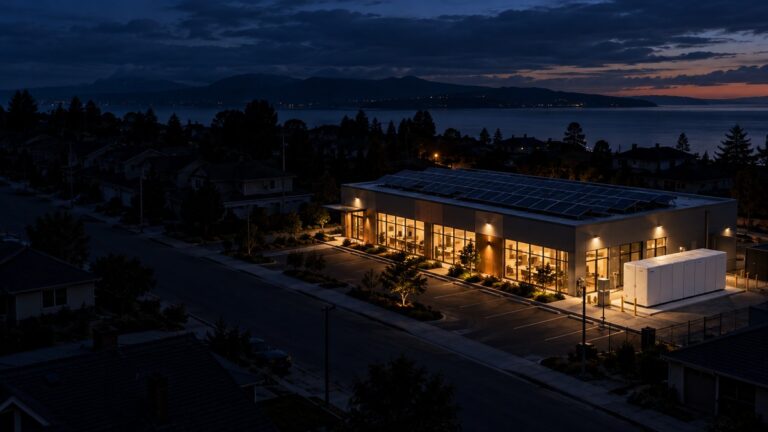
Phase 3 — Grid-Edge Services Nassau and Freeport distribution networks. Peak shaving, frequency response, and distributed support to BPL grid modernization. Supports the Bahamas’ national energy transition targets.
The economics
Hybrid solar plus battery storage delivers electricity below BPL’s own production cost. The savings against diesel are not marginal — they are structural. The economics fund the program.
Generation source | Cost (CFA/kWh) |
Diesel — Remote Rural | 300–600 |
Diesel — Urban | 120–180 |
SEEG National Average | ~123 |
Solar + BESS — Phase 1 Rural | 80–120 |
Solar + BESS — Phase 2 Industrial | 60–100 |
Capital structure
Zero upfront cost to the Government of The Bahamas.
The Government’s contribution is the regulatory framework, land allocation, offtake structure, and political backing. Mystic Enterprises delivers technology, deployment, and impact capital.
The financial structure mirrors Mystic Enterprises’ precedent across Latin America and the Caribbean. Capital comes from a blended stack:
- Mystic Enterprises — lead development partner, technology, and impact capital
- Government of The Bahamas / BPL — domestic co-investment and offtake counterparty
- IDB Invest / Caribbean Development Bank — concessional finance and technical assistance
- CARICOM Development Fund — regional Caribbean project debt
- World Bank Group — IBRD-backed instruments and risk mitigation
A Build-Own-Operate-Transfer (BOOT) structure ensures that deployed assets transfer to the Government, BPL, or a designated successor entity at the end of the concession period.
The path forward
Ninety days to Memorandum of Understanding.
What Mystic proposes:
- A phased Battery Energy Storage program for the Bahamas, beginning with a Phase 1 rural pilot
- Mystic Enterprises as lead development partner and program coordinator
- Mystic Energy as technology and operations arm
- Local content commitments, Bahamian workforce development, and an in-country operations center in Nassau
What Mystic asks of the Government:
- Designation of BPL or designated government entity as the co-investment counterparty
- A Memorandum of Understanding framework for the Phase 1 pilot
- Regulatory facilitation: PPA structure, land allocation, customs treatment, and maritime logistics facilitation for deployed units
- Ministerial endorsement of the multi-phase national program
Mystic Enterprises’ leadership team is engaged. Mystic Energy’s technical bench is ready. Phase 1 deployment can begin within 12 months of MOU signature.